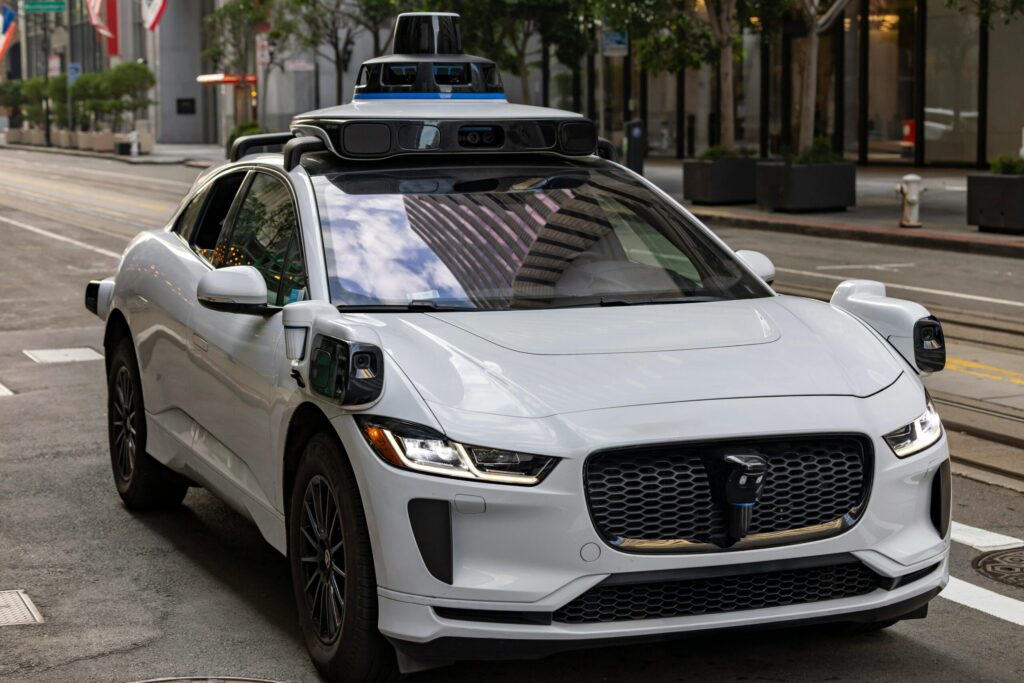
Technology से लेकर challenges तक, Tesla से Tata तक — India के roads पर autonomous future की पूरी कहानी।
सोचिए — आप गाड़ी में बैठे हैं, सीट पर आराम से लेटे हैं, मोबाइल देख रहे हैं। गाड़ी खुद चल रही है, खुद रुक रही है, खुद मुड़ रही है। कोई driver नहीं। यही है autonomous vehicle — यानी self-driving car।
दुनिया में ये सपना तेज़ी से हकीकत बन रहा है। लेकिन India में? यहाँ की गायें, साइकिल वाले, और बेतरतीब traffic में क्या एक robot driver survive कर पाएगा? चलिए जानते हैं — बिना किसी lollipop के, सीधी और सच्ची बात।
Autonomous Vehicle है क्या बला?
Autonomous vehicle वो गाड़ी है जो बिना किसी इंसानी दखल के खुद चल सके। इसके लिए वो sensors, cameras, LIDAR, radar, और AI algorithms का use करती है।
पर ये “self-driving” एक झटके में नहीं आती। इसके लिए दुनियाभर में SAE International ने 6 levels define किए हैं:
| Level | नाम | क्या होता है? | Driver की ज़रूरत? | India में Status |
|---|---|---|---|---|
| Level 0 | No Automation | सब कुछ driver करता है | हाँ, पूरी तरह | Most common |
| Level 1 | Driver Assistance | Cruise control, lane keeping | हाँ, हर वक्त | Available |
| Level 2 | Partial Automation | Steering + acceleration दोनों auto | हाँ, नज़र रखनी होगी | Premium cars में |
| Level 3 | Conditional Automation | सीमित conditions में खुद चले | Standby में रहना होगा | नहीं आया अभी |
| Level 4 | High Automation | Defined area में fully autonomous | नहीं (defined zone में) | 2030+ संभव |
| Level 5 | Full Automation | हर जगह, हर condition में | बिल्कुल नहीं | 2035+ का सपना |
Technology कैसे काम करती है? — अंदर की बात
एक autonomous car दरअसल एक चलता-फिरता supercomputer है। उसे जो “दिखता” और “सोचता” है, वो कई layers पर काम करता है:
- LIDAR (Light Detection and Ranging): Laser beams से 360° 3D map बनाता है। एक spinning LIDAR sensor per second लाखों data points collect करता है।
- Cameras: Traffic signs, pedestrians, road markings पहचानता है। आजकल cameras ही LIDAR की जगह लेने लगे हैं (Tesla इसी पर काम करती है)।
- RADAR: खराब मौसम में भी काम करता है। Speed और distance accurately measure करता है।
- GPS + HD Maps: Normal GPS नहीं — centimeter-level accuracy वाले high-definition maps।
- AI / Deep Learning: इन सब sensors का data real-time में process करके decision लेता है — ब्रेक कब लगाएं, कब मुड़ें, कब रुकें।
- V2X Communication: Vehicle-to-Everything — गाड़ी traffic light, दूसरी गाड़ियों, और infrastructure से “बात” करती है।
एक दिलचस्प fact
Waymo की एक self-driving car एक दिन में उतना data generate करती है जितना data एक इंसान पूरी ज़िंदगी में नहीं देखता। यही data उसे “smart” बनाता है।
दुनिया के बड़े Players — कौन कहाँ है?
Global race बहुत तेज़ है। अमेरिका, China, और Europe सब अपनी अपनी strategy पर चल रहे हैं। नीचे देखिए सबसे बड़े खिलाड़ियों का comparison:
| Company | देश | Current Level | Key Technology | India Plans? |
|---|---|---|---|---|
| Waymo (Google) | 🇺🇸 USA | Level 4 | LIDAR + AI Maps | ❌ अभी नहीं |
| Tesla | 🇺🇸 USA | Level 2+ | Camera-only FSD | ⚠️ 2026 में launch possible |
| Baidu Apollo | 🇨🇳 China | Level 4 | AI + V2X | ❌ नहीं |
| Mercedes-Benz | 🇩🇪 Germany | Level 3 | Drive Pilot System | ⚠️ Luxury segment में |
| Tata Motors | 🇮🇳 India | Level 2 | ADAS Suite | ✅ Actively developing |
| Minus Zero | 🇮🇳 India | Level 3 (testing) | India-specific AI | ✅ India-first startup |
| Swaayatt Robots | 🇮🇳 India | Level 3 (testing) | Unstructured road AI | ✅ IIT Bhopal backed |
India की Roads — Autonomous Cars के लिए Nightmare क्यों?
सीधी बात — अगर कोई AI दुनिया में कहीं भी drive करना सीख सकता है, तो India उसके लिए Final Exam है। और वो अभी fail हो जाएगा।
Major Challenges
- Unpredictable Traffic: गाय, बकरी, साइकिल, ऑटो, बस — सब एक साथ। कोई pattern नहीं। AI trained models इसे handle करने के लिए नहीं बने।
- Road Quality: 60% से ज़्यादा roads पर proper lane markings नहीं हैं। HD Maps बनाना और update करना लगभग impossible।
- Weather Diversity: मुंबई की बाढ़, राजस्थान की रेत, हिमाचल की बर्फ — एक system सब handle नहीं कर सकता।
- Wrong-Side Driving: India में wrong side driving आम है। Western algorithms इसे threat मान कर emergency brake लगा देते हैं।
- No Infrastructure: V2X communication के लिए smart traffic lights और connected infrastructure चाहिए — जो India में नहीं है।
- Affordability: एक LIDAR sensor की cost ₹5-15 लाख तक होती है। India में जहाँ ₹6 लाख की car popular है, वहाँ यह viable नहीं।
- Legal Vacuum: India में अभी autonomous vehicles के लिए कोई dedicated law नहीं है। Accident हुआ तो ज़िम्मेदार कौन?
India के पास क्या है? — Strengths भी हैं
सिर्फ challenges नहीं, India के पास कुछ ऐसे factors भी हैं जो इस revolution में मदद कर सकते हैं:
- IT Talent: India दुनिया का सबसे बड़ा software talent pool है। Autonomous vehicle AI के लिए यही चाहिए।
- Young Population: India की average age 29 है। New technology adopt करने की speed यहाँ सबसे fast है।
- EV Momentum: Government का EV push autonomous technology के साथ naturally align होता है।
- Cost Advantage: India में AI development cost Western countries के मुकाबले 60-70% कम है।
- Startup Ecosystem: Minus Zero, Swaayatt Robots, Netradyne जैसे startups India-specific solutions पर काम कर रहे हैं।
- Government Support: National Electric Mobility Mission और Smart Cities Mission AV के लिए ground तैयार कर रहे हैं।
सरकार क्या कर रही है? — Policy Update
India में autonomous vehicles की policy अभी embryonic stage में है। लेकिन कुछ important steps हुए हैं:
ADAS को पहली मान्यता
MoRTH ने पहली बार Advanced Driver Assistance Systems (ADAS) को Indian vehicles में allow किया।
FAME II और EV Push
Electric Vehicles को push मिला जो autonomous technology की foundation है।
ADAS Regulations Draft
MoRTH ने ADAS features के लिए draft guidelines जारी की। 6 airbags mandatory हुए।
Testing Sandbox की माँग
Industry ने dedicated AV testing zones की माँग की। कुछ cities में pilot projects शुरू।
Full AV Policy Expected
Niti Aayog और MoRTH मिलकर comprehensive autonomous vehicle policy का draft तैयार कर रहे हैं।
अगर Autonomous Vehicles आ गए — क्या बदलेगा India में?
| Area | आज की situation | AV के बाद क्या होगा? | Impact Level |
|---|---|---|---|
| Road Safety | 1.5 लाख मौतें/साल | 90% accidents कम हो सकते हैं (WHO estimate) | बहुत high |
| Fuel Efficiency | Stop-and-go में 40% fuel waste | Smooth driving से 15-20% savings | Medium |
| Traffic Congestion | Mumbai, Delhi में average speed 17 km/h | V2X से traffic flow optimize होगी | Medium-High |
| Elderly/Disabled | Mobility बहुत limited | Complete independence मिलेगी | Game changer |
| Logistics | Driver shortage, fatigue accidents | 24/7 autonomous trucks possible | बहुत high |
| Driver Jobs | 7 करोड़ से ज़्यादा drivers | Jobs खतरे में — reskilling ज़रूरी | High Risk |
India के Autonomous Vehicle Startups — अपनी माटी, अपना AI
Western companies India की roads के लिए तैयार नहीं हैं। इसीलिए कुछ Indian startups ने “India-first” approach अपनाई है:
- Minus Zero (Bengaluru): IIT Delhi alumni ने बनाया। India की unstructured roads के लिए specially trained AI। 2024 में successful road tests complete किए।
- Swaayatt Robots (Bhopal): IIT Bhopal से निकला startup। उनका AI बिना HD Maps के भी काम करता है — India के लिए critical।
- Netradyne (Bengaluru + USA): Fleet और commercial vehicles के लिए AI-powered driver safety system।
- Flux Auto: Last-mile delivery vehicles के लिए autonomous solutions। Warehouses और campuses में testing जारी।
- Micelio: Electric + autonomous commercial vehicles पर focus। Highway logistics के लिए।
🇮🇳 India की असली ताकत
जहाँ Tesla और Waymo California highways के लिए design हुए हैं, वहीं Indian startups की AI model training हुई है Delhi की पुरानी गलियों में, Pune के chaotic circles में, और Hyderabad के unpredictable intersections पर। यही India का competitive advantage बन सकता है।
Realistic Timeline — India के लिए
Hype से दूर रहकर, realistically देखें तो India का AV journey कुछ ऐसा दिखता है:
| साल | क्या expect करें? | Confidence Level |
|---|---|---|
| 2025-2027 | Level 2 ADAS mainstream cars में आएगा। Highway pilot features popular होंगे। Tesla India launch possible। | High |
| 2027-2030 | Level 3 cars luxury segment में। Dedicated testing zones और sandbox policies। Smart highway corridors (Delhi-Mumbai Expressway)। | Medium |
| 2030-2035 | Level 4 vehicles controlled environments में (airports, tech parks, specific highways)। Full AV regulatory framework। | Medium-Low |
| 2035+ | Level 5 — open roads पर fully driverless। तब तक infrastructure, laws, और public trust सब develop होने चाहिए। | Speculative |
जो कोई नहीं पूछता — Ethical सवाल
Technology की चमक में कुछ uncomfortable सवाल दब जाते हैं। लेकिन India के लिए ये ज़रूरी हैं:
- Job Loss: India में 7 करोड़ से ज़्यादा ड्राइवर हैं। Automation से इनकी रोज़ी पर खतरा है। Reskilling का कोई plan नहीं है अभी।
- Trolley Problem in AI: Accident inevitable हो तो AI किसे बचाएगा? Passenger को, pedestrian को, या बच्चे को? India में इसका legal जवाब नहीं है।
- Data Privacy: Autonomous cars हर पल आपकी location, movements, और habits track करती हैं। India का data protection law अभी नया है।
- Cyber Security: एक hacked autonomous car एक weapon बन सकती है। India में cyber infrastructure अभी तैयार नहीं।
- Digital Divide: Tier-1 cities को फायदा, rural India और छोटे कस्बों को शायद दशकों तक नहीं।
अक्सर पूछे जाने वाले सवाल (FAQ)
India में self-driving cars कब आएंगी?
क्या Tesla India में आएगी?
Autonomous vehicles और Electric vehicles में क्या फर्क है?
India में ADAS features वाली affordable cars कौन-सी हैं?
Autonomous vehicles में सबसे ज़्यादा investment कहाँ जा रहा है?
Autonomous vehicles का insurance कैसे होगा?
निष्कर्ष — India कहाँ खड़ा है?
Autonomous vehicles एक ऐसी revolution है जो आएगी — ये तय है। सवाल सिर्फ यह है कि India कब और कैसे इसमें शामिल होगा।
India के सामने challenge बड़ा है — unstructured roads, regulatory gaps, affordability, और job displacement। लेकिन opportunity उससे भी बड़ी है। अगर Indian startups India-specific AI develop कर लें, तो यहाँ की सफलता पूरी दुनिया के emerging markets के लिए blueprint बन सकती है।
फिलहाल realistic रहिए। अगर आप आज नई car ले रहे हैं, तो ADAS features वाली लें — वो Level 2 की सुविधा देती हैं। Level 5 का इंतज़ार मत करिए। वो अभी लंबा रास्ता है।

Pingback: Vehicle Number से मालिक का नाम कैसे पता करें? | India 2026 Complete Guide